
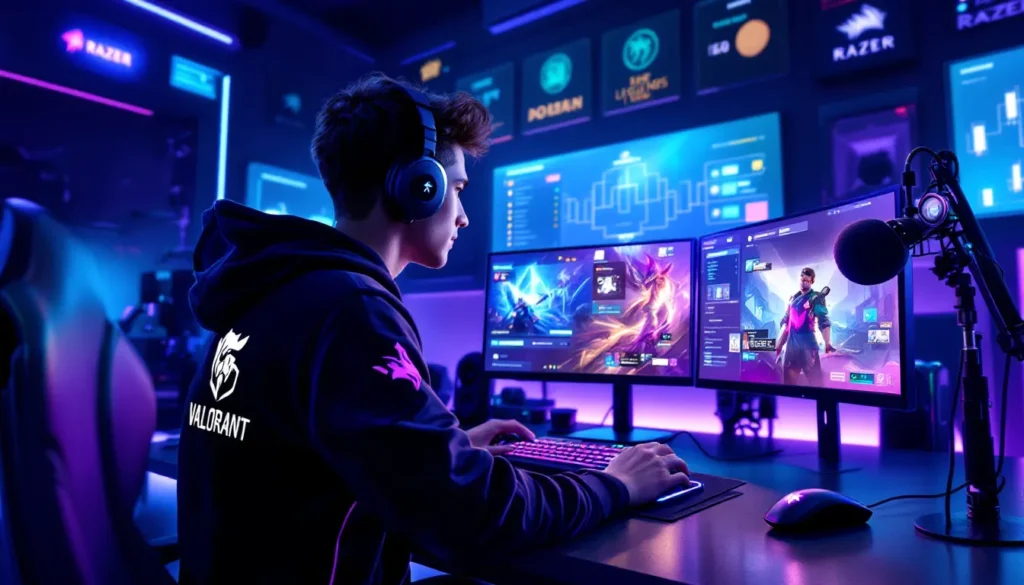
Gen Z esports has become the heartbeat of competitive gaming, and if you’re not paying attention, you’re already behind. Born into a world of high-speed internet, mobile gaming, and streaming culture, Gen Z players aren’t just participating in esports, they’re fundamentally reshaping what it means to compete professionally. Unlike previous generations who discovered gaming later, many Gen Z competitors grew up holding controllers before they could spell, giving them a natural advantage in reflexes, game sense, and adaptation to new titles. The numbers tell the story: the global esports market is now worth billions, with Gen Z making up the majority of both players and viewers. This generation has flipped the traditional career script, forget the nine-to-five: for millions of Gen Z gamers, esports, streaming, and content creation represent legitimate, lucrative pathways to success. Whether you’re a casual player curious about the competitive scene or someone grinding ranked ladders with pro aspirations, understanding Gen Z esports in 2026 is essential. This guide breaks down everything: the players redefining the meta, the games dominating the competitive landscape, how streamers are cashing in, and what it actually takes to break into the scene.
Key Takeaways
- Gen Z esports has evolved into a multi-billion-dollar industry with legitimate career pathways through professional play, streaming, and content creation, fundamentally reshaping competitive gaming infrastructure.
- Breaking into Gen Z esports requires 12-24 months of dedicated grinding to reach competitive viability, combined with authenticity, community engagement, and consistent streaming presence across multiple platforms.
- Streaming and content creation now rival tournament winnings as primary income sources, with top creators earning $5,000-$50,000+ monthly through subscriptions, sponsorships, and platform monetization.
- The esports landscape has fragmented across 30+ competitive games in 2026, shifting away from single-title dominance toward specialized communities where players can build careers across Valorant, League of Legends, Counter-Strike 2, Fortnite, and emerging titles.
- Mental health, burnout prevention, and wellness have become critical competitive advantages in Gen Z esports, with leading organizations now providing sports psychologists, mandatory time off, and structured sustainability practices.
- Entry barriers have lowered dramatically with affordable equipment ($800-$1,500), free-to-play competitive games, and global matchmaking systems making professional esports accessible from any location worldwide.
What Is Gen Z Esports and Why It Matters
Defining Gen Z Esports Culture
Gen Z esports isn’t just about playing video games competitively, it’s a cultural movement defined by authenticity, accessibility, and digital-first values. Born roughly between 1997 and 2012, Gen Z grew up with internet connectivity as a baseline, making them naturally comfortable in online spaces, streaming platforms, and global matchmaking systems. Unlike millennials who transitioned into gaming, Gen Z was gaming from childhood, which translates directly to mechanical skill and game literacy.
The culture itself has distinct characteristics. Gen Z esports players value transparency, they want to see their favorite pros stream their practice sessions, not just polished tournament broadcasts. They’ve embraced gaming as legitimate entertainment and career, without the defensiveness previous generations felt. Memes, inside jokes, and community banter are currency. TikTok highlights and clip culture matter as much as tournament victories. A player can be unknown on the pro circuit but viral on social media, which has flipped traditional talent discovery on its head.
What sets Gen Z esports apart is the speed of innovation and adaptation. New games launch and within months, Gen Z creates competitive scenes. Esports and Horse Racing: Which One Is More Popular Among Gen Z? illustrates just how dominant gaming has become in generational preference. This generation doesn’t wait for established infrastructure, they build it themselves through Discord communities, amateur leagues, and grassroots tournaments.
Why Gen Z Is Reshaping Competitive Gaming
Three factors explain why Gen Z is rewriting esports from scratch:
Skill Foundation Built Early
Gen Z competitors started at age five or six with mobile games and consoles, not at eighteen. Their mechanical skill ceiling is higher, their reaction times sharper, and their game sense more intuitive. This early foundation means faster progression to competitive play and shorter windows to reach professional level.
Digital-Native Comfort
Gen Z grew up with streaming, online communities, and global connectivity. Playing against opponents across continents feels normal. Streaming while gaming isn’t a chore, it’s second nature. This comfort with digital environments means Gen Z players naturally excel at content creation, audience engagement, and personal branding alongside raw competitive skill.
Meta Fluidity
Previous generations played games for years: Gen Z often cycles through titles rapidly. They’re comfortable with constant balance patches, seasonal resets, and new competitive metas. Games like Fortnite, Valorant, and League of Legends push updates every few weeks, and Gen Z adapts faster than older players. This fluidity mirrors how they consume information generally, quick pivots, trend-chasing, and novelty-seeking.
The leading four esports games of 2024 demonstrates the breadth of titles competing for Gen Z attention. The landscape has become more fragmented than ever, with no single game dominating. This multiplicity of competitive ecosystems is distinctly Gen Z, they don’t converge on one game: they play across many.
Gen Z is also reshaping esports’ relationship with traditional media and corporate interests. Mainstream brands see Gen Z as the demographic with disposable income and cultural influence, so esports sponsorships have exploded. The result: professional gaming salaries, franchise teams, and legitimate career paths that previous generations only dreamed about.
The Rise Of Gen Z Professional Players
Breakout Esports Stars Leading the Way
Gen Z has produced a new generation of esports icons, and their paths to stardom are anything but traditional. These players didn’t come up through established leagues: many built followings on streaming platforms first, then earned spots on professional teams.
Examples of Ascent
Take Valkyrae, who started streaming on Twitch in the late 2010s and became one of the most-watched content creators globally. She didn’t win a major championship first, her audience and entertainment value earned sponsorships and team deals. Similarly, TenZ (Tyson Ngo) dominated Valorant while streaming, becoming one of the game’s most recognizable faces before joining major orgs. Makeup (Cheung Ka-hei) rose through League of Legends by grinding solo queue on stream, attracting sponsors and teams who saw raw talent and audience appeal combined.
The pattern is clear: Gen Z players gain recognition through multiple channels. Tournament results matter, but so does Twitch presence, TikTok clout, YouTube highlights, and community respect. A player with ten million TikTok followers and solid ranked stats might be more valuable to a team than a quiet former champion with no social following.
Regional Dominance Shifts
Korea and China historically dominated esports, particularly in League of Legends and fighting games. Gen Z is decentralizing that power. European and North American teams now field competitive rosters, largely because Gen Z players grew up in a globalized esports ecosystem. High-speed internet and streaming made region-locking irrelevant. A talented Gen Z player from Brazil or Australia can earn a spot on a franchise team in any region by proving themselves in online qualifiers and league play.
Entry Barriers and Pathways to Pro Play
Breaking into professional esports has never been more accessible and more brutal simultaneously. There’s no single gatekeeper anymore, no requirement to attend a specific academy or be scouted by a major org. But the competition is absolutely fierce.
Entry Points
-
Ranked Ladder Climbing: The most common path. Reach Grandmaster or pro-level rank in Valorant, League of Legends, Dota 2, or Fortnite, and scout from franchises will eventually notice. This requires 6-12 months of grinding 8+ hours daily.
-
Amateur and Semi-Pro Tournaments: Platforms like ESL, ESIC, and game-specific competitive systems host amateur brackets. Top-8 finishes get visibility. Prize pools are typically $1,000-$50,000, not life-changing money, but enough to fund the grind.
-
Streaming and Content Creation: Build an audience on Twitch or YouTube while playing competitively. Orgs value built-in audience reach. A player with 10,000 followers streaming daily has leverage in negotiations.
-
Academy and Developmental Teams: Major orgs now run academy squads specifically to develop Gen Z talent. These are semi-pro positions with smaller salaries ($500-$2,000/month) but direct pathways to franchise play.
-
Open Qualifiers and Partner Leagues: Exploring the evolution and impact of esports entertainment reveals how competitive structures have opened. Games like Valorant and CS2 feature open qualifier systems where anyone can compete for spots in major tournaments.
The Hard Truth
Making six figures as a pro player is possible but statistically unlikely. Top-tier salaries range from $50,000 to $500,000+ annually for franchise players, but those spots number maybe 500-1,000 globally across all games. The median esports salary, according to industry reports, sits around $15,000-$25,000 annually, respectable for a Gen Z player living with family, but not sustainable alone long-term.
Equipment costs can be surprisingly low for entry-level competition ($800-$1,500 for a solid PC and peripherals), but travel, coaching, and team fees add up. Most aspiring pros combine streaming income, tournament winnings, and part-time work to fund their grind. Success requires not just skill, but consistency, mental resilience, and realistic financial planning.
Games Dominating Gen Z Esports in 2026
Battle Royales and Competitive Shooters
Fortnite remains the esports juggernaut for Gen Z, even though being over eight years old. The game’s cosmetics economy, seasonal content, and rapid balance changes keep the meta fresh. The 2026 season saw renewed investment in esports with franchise teams and multi-million-dollar prize pools. Fortnite appeals to Gen Z because it blends mechanical skill, building (a skill unique to the game), and entertainment value. Watching a pro build fight is genuinely exciting, it’s a unique competitive skill.
The evolution of Fortnite esports showcases how the game has maintained relevance through constant innovation. Building mechanics and map rotations force players to adapt constantly, which aligns with Gen Z’s preference for dynamic, evolving games.
Valorant has exploded since launch in 2020, and by 2026, it’s arguably the most skill-expressive competitive shooter. The game’s 60+ agent roster, economy system, and round-based structure reward both mechanical aim (measured in headshot percentage and spray control) and tactical depth. Professional Valorant features teams like FaZe Clan, Sentinels, and Paper Rex pulling in massive viewership. The competitive ceiling feels infinite, watch pro matches and you’ll see angles, timings, and mind games that casual players never consider.
Counter-Strike 2 also dominates, especially in Europe and CIS regions. The game’s deep history (dating back to 2000) gives it competitive credibility, but the 2023 update reinvigorated the scene. CS2 esports in 2026 features franchise leagues with $8+ million annual prize pools. The skill expression in CS2, spray control, utility usage, map knowledge, economy management, appeals to hardcore competitive gamers.
Call of Duty: Black Ops 6 (2024) and Warzone 2 maintain shooter esports presence, though they’re declining against Valorant and CS2. The game’s faster TTK (time-to-kill) and arcade-like movement appeal to console players, but PC competitive dominance continues to shift toward the games mentioned above.
Key Metrics for Shooters (2026):
- Valorant: 200+ million monthly viewers across all platforms, 100+ franchise teams globally
- CS2: 30+ million monthly viewers, $15+ million in annual prize pool
- Fortnite: 250+ million monthly players, $30+ million annual esports investment
MOBA, Fighting Games, and Emerging Titles
League of Legends remains the esports king in terms of traditional tournament infrastructure and viewership. The 2026 World Championship drew 5+ million peak concurrent viewers. The game’s depth, 170+ champions, itemization complexity, team composition theory, creates endless competitive variation. But, League of Legends skews slightly older (average viewer age 22-28). Newer Gen Z players are entering, but the scene is more established than scrappy.
Dota 2 attracts hardcore competitive players but has a smaller Gen Z audience than League of Legends. The esports scene thrives in Eastern Europe and Southeast Asia. The Dota 2 International, held annually, features the largest prize pools in esports ($15-30 million), but viewership fluctuates. Gen Z players often find Dota 2’s complexity and item economy intimidating compared to League of Legends’ more streamlined design.
Fighting Game Esports has experienced genuine Gen Z revival, especially through Street Fighter 6 (2023) and Tekken 8 (2024). Fighting games require different skills than shooters or MOBAs, precise frame-data execution, character matchup knowledge, and read-based prediction. Gen Z players respect the mechanical skill required: watching pro SF6 matches showcases unreal input precision and prediction.
Emerging Titles:
- Palworld: Released in early access in 2024, gained massive Gen Z traction. Competitive modes haven’t solidified, but the game’s accessibility and social appeal position it as a potential esports contender by 2027.
- Helldivers 2: Squad-based cooperative shooter that’s found niche esports communities. Not mainstream esports yet, but Gen Z’s love of cooperative gameplay could drive growth.
- Marvel Rivals: New team-based hero shooter (2025) positioned to challenge Overwatch 2. Early adoption from Gen Z streamers suggests competitive potential.
Market Saturation Alert: By 2026, over 30 games maintain active esports ecosystems. Most players specialize in one or two titles: professional teams often focus on a single game. The fragmentation means the esports “meta” isn’t monolithic anymore, Gen Z communities exist around multiple games simultaneously. A player can be unknown in Valorant but famous in Street Fighter 6.
Streaming and Content Creation as Career Paths
How Gen Z Gamers Monetize Their Skills
Streaming has democratized esports careers. A Gen Z player no longer needs sponsorships or tournament winnings to make income, they can stream gameplay and monetize through subscriptions, donations, and platform ad-revenue splits.
Revenue Streams (2026 Breakdown)
Twitch Subscriptions: Streamers earn $2.50-$3.50 per subscription (tier 1), with popular streamers pulling $5,000-$50,000+ monthly from subs alone. A streamer with 5,000 subscribers at $3 per sub earns $15,000 monthly, more than most professional esports salaries.
Donations and Tips: Platforms like Streamlabs and Tipping Point enable direct viewer donations. Top streamers receive $500-$5,000 daily in donations during peak streams. This is volatile income, but high-variance earners can significantly exceed salary income.
Platform Ad Revenue: Twitch, YouTube, and TikTok pay creators based on CPM (cost per thousand views). Rates vary wildly ($2-$10 CPM depending on geography and content), but a streamer with 10,000 viewers averaging 3-4 hour streams earns $60-$200 per stream in ads alone.
Sponsorships and Brand Deals: Gaming peripherals (mice, keyboards, monitors), energy drinks, VPN services, and betting sites pay streamers to promote products. A mid-tier streamer (50,000-500,000 followers) can earn $500-$5,000 per sponsorship. Top streamers land $10,000-$100,000+ deals per month.
YouTube Shorts and TikTok: Gen Z creators compile highlight clips into 15-60 second videos, earning through platform monetization and sponsorships. A viral clip can generate $500-$5,000 in revenue and drive followers to main streaming channels.
Coaching and Educational Content: Streamers sell coaching sessions ($20-$100/hour) or educational courses ($30-$200). A skilled Valorant player might coach 5-10 students weekly for $500-$1,000 supplementary income.
The Reality Check: Streaming income is highly skewed. The top 1% of streamers (100,000+ followers) earn six figures. The median streamer with 1,000-5,000 followers makes $500-$2,000 monthly. Sustainable streaming careers require 2-3 years of consistent 20-40 hour/week grinding before meaningful income emerges.
Building Audiences on Twitch, YouTube, and TikTok
Gen Z understands audience building intuitively. They grew up watching streamers, so they know the formula: consistency, personality, and content innovation matter more than raw skill.
Twitch Strategy
- Stream on a consistent schedule (5-7 days/week, 6-8 hours daily)
- Engage chat actively: viewers watch for personality, not just skill
- Specialize in one or two games initially (playing 10 different games kills algorithm visibility)
- Use clips and VOD marketing to drive external traffic
- Dexerto frequently covers top Twitch streamers and meta shifts: understanding trending content helps streamers align with audience interests
YouTube Strategy
- Upload polished, edited highlight compilations (10-25 minutes optimal)
- Create educational content (“how to rank up,” “meta guide,” “pro player analysis”)
- YouTube Shorts drive visibility: post 3-5 per week
- Optimize thumbnails and titles for click-through rate (but avoid misleading clickbait)
TikTok Strategy
- Post daily, 15-60 second clips
- Use trending sounds and hashtags
- Lean into personality and humor, not just gameplay
- Cross-promote to Twitch: TikTok drives discovery, Twitch monetizes audience
The Meta of Content Creation (2026)
Gen Z audiences reward authenticity. Scripted, overly-edited content performs worse than raw, unfiltered streaming. Viewers can smell inauthenticity. The top Gen Z streamers, Valkyrae, Sykkuno, Pokimane, succeed because they’re genuinely entertaining, not because they’re mechanically the best. They interact naturally with chat, share personal stories, and sometimes play intentionally for entertainment rather than optimization.
Viralability matters enormously. A single 10-million-view TikTok clip can transform a 500-follower account into a 50,000-follower account within weeks. This unpredictability means some Gen Z content creators strike gold through viral moments, while others grind for years with moderate growth.
Collaboration accelerates growth. Streaming with other popular creators exposes you to their audience. Duetting or reacting to other content creators’ videos builds algorithmic favor. The fastest-growing Gen Z streamers often leverage network effects by collaborating heavily in their first 12-24 months.
Community, Social, and Mental Health Aspects
The Social Impact of Esports on Gen Z
Esports is Gen Z’s primary social engine. Unlike previous generations that played sports or hung out at malls, Gen Z socializes through gaming, ranked ladder grinds with friends, Discord communities, and streaming watch-parties create genuine social bonds.
Positive Community Effects
Esports communities are remarkably inclusive. Age, geography, and physical ability become irrelevant: your ranking, game sense, and teamwork matter. A 16-year-old from Philippines can team up with a 22-year-old from Germany and a 19-year-old from Canada in Valorant ranked, and they’ll develop real friendships. This geographical fluidity is unique to Gen Z.
Competitive communities reward meritocracy. Unlike workplace hierarchies (where nepotism and seniority matter), esports teams are built on skill and synergy. This appeals to Gen Z’s values around fairness and earned respect.
Esports provides community for isolated or neurodivergent Gen Z. Autism, ADHD, and social anxiety diagnoses are prevalent in Gen Z, and structured competitive gaming offers predictable social interaction and clear reward systems. Many esports communities are explicitly welcoming to neurodivergent players.
Organizations are creating mental health resources. Major esports teams now employ sports psychologists and coaches focused on player wellness. This represents a massive cultural shift from early esports, which ignored burnout entirely.
Challenges and Toxicity
But, esports communities aren’t perfect. Toxicity in ranked games is rampant, racism, sexism, and homophobic slurs are still common in voice chat, particularly in games like League of Legends and Dota 2. Women and LGBTQ+ players report harassment disproportionately. The anonymity of online gaming enables behavior people would never exhibit in person.
Incelism and misogyny plague some communities. Female streamers and professional players face disproportionate harassment, ranging from objectifying comments to doxxing threats. Gen Z women in esports report higher rates of burnout, partly due to the additional stress of managing community hostility.
Major publishers like Riot Games and Valve have implemented reporting systems and bans, but enforcement remains inconsistent. Gen Z has grown up expecting platforms to moderate, and many are frustrated by slow progress on toxicity.
Mental Health, Burnout, and Wellness in Competitive Gaming
Competitive esports is psychologically brutal. The skill ceiling is infinite, meaning players can always improve, and the pressure to optimize every hour creates unhealthy grinding habits.
Burnout Patterns
A typical Gen Z esports grind looks like this: 8-12 hours of ranked gameplay daily, 6-7 days a week. No vacations. Minimal social life outside gaming. Poor sleep hygiene (staying up until 3 AM for off-peak queue times). Diet suffers. Posture deteriorates. Wrist and eye strain accumulate.
Among semi-professional and professional players, depression, anxiety, and substance abuse are common. The esports industry has, as of 2026, begun acknowledging these issues publicly, but structural change is slower.
Wellness Initiatives (2026)
Unlocking career potential: The highlights how esports education programs are incorporating mental health education. Forward-thinking esports degrees now include psychology courses, wellness coaching, and burnout prevention alongside gameplay training.
Top esports orgs have adopted progressive policies:
- Mandatory time off (10+ days yearly)
- On-site sports psychologists
- Fitness coaches and nutrition plans
- Streaming limitations (some orgs restrict players to 6-8 hour streams)
- Mental health days without penalty
But many smaller orgs and independent players lack these protections. A Gen Z player grinding on their own has no safety net. Burnout is real and can take years to recover from.
Realistic Wellness Approach
Gen Z esports culture is slowly normalizing rest. Successful streamers like Pokimane have publicly discussed taking breaks: instead of harming their career, transparency about burnout actually resonates with audiences. The meta is shifting from “grind forever” to “grind smart.”
Physical health matters: stretching, ergonomic setup, and breaks every 60 minutes significantly extend esports careers. Players who neglect physical wellness often experience repetitive strain injuries by their mid-20s, ending competitive play prematurely.
Mental health support should be non-negotiable. Therapy, particularly sports psychology, helps players manage pressure, perfectionism, and the identity crisis that occurs if esports careers end unexpectedly.
Sponsorships, Investment, and Industry Growth
Corporate Interest in Gen Z Esports
The esports industry has become impossible for corporations to ignore. Gen Z represents $165 billion in annual spending power, and they’re engaged in esports at rates previous generations never were. By 2026, esports viewership rivals traditional sports in some markets.
Sponsorship Landscape
Brands now fall into tiers of esports investment:
Tier 1 – Native Gaming Brands: Graphics card manufacturers (NVIDIA, AMD), gaming peripherals (Corsair, SteelSeries, Razer), and esports betting platforms (DraftKings, FanDuel) are obvious sponsors. These brands target gamers directly.
Tier 2 – Lifestyle and Tech Brands: Energy drinks (Red Bull, Monster), tech companies (Intel, Samsung), and automotive brands (BMW, Audi) now heavily sponsor esports teams and tournaments. They see Gen Z esports audiences as valuable advertising channels.
Tier 3 – Mainstream Corporations: Banks, insurance companies, and traditional consumer brands now sponsor esports. This indicates mainstream legitimacy. A bank sponsoring an esports team would’ve been unthinkable in 2015: by 2026, it’s ordinary.
Sponsorship Scale (2026)
Top esports organizations pull in $10-50 million annually in sponsorship revenue. A franchise team in Valorant or League of Legends typically generates $2-10 million yearly. Even smaller organizations (500,000-1 million follower streamers) negotiate sponsorships worth $5,000-$50,000 per deal.
Total sponsorship spending in esports reached $800+ million in 2025, and projections estimate $1.2+ billion by 2027. This growth is driven entirely by Gen Z audience size and engagement metrics.
Market Projections and Future Opportunities
Industry Growth Trajectory
The global esports market was valued at approximately $1.2 billion in 2023 and is projected to exceed $2 billion by 2027. Growth drivers include:
-
Franchise League Expansion: Riot Games, Valve, and others are creating regional franchises, attracting institutional investment. Franchise slots cost $10-50 million upfront but generate $2-10 million annually.
-
Mainstream Media Integration: Traditional broadcasters like ESPN and Sky Sports now cover esports. Major tournaments air on cable TV, legitimizing esports in households that traditionally ignore gaming.
-
Betting and Gambling: Regulated esports betting is expanding globally. Platforms like Dot Esports provide esports analysis that bettors rely on. Legal betting adds billions in potential market value.
-
University Programs: Over 200 universities now offer esports scholarships (2024 data). By 2026, this number has grown. Institutional education legitimacy drives esports career interest.
-
International Growth: Esports is global, but penetration varies. Southeast Asia, Latin America, and Africa represent massive untapped markets. As internet infrastructure improves, esports in these regions will explode.
Emerging Opportunities for Gen Z
Beyond playing and streaming, Gen Z can build careers in:
- Esports Management: Agents representing players, negotiating contracts, securing sponsorships
- Content Production: Video editing, streaming production, highlight reels for studios
- Game Design and Balance: Developers need people who understand competitive play
- Esports Analytics and Statistics: The game-changing power of esports live stats showcases growing demand for statistical analysis and insight tools
- Event Organization: Tournament production, broadcast management, venue operations
- Esports Insurance and Legal: Contracts, player agreements, and liability management
- Sponsorship and Marketing: Brands need esports expertise to navigate the space effectively
Realistic Caution
Not all esports investments are succeeding. Several franchise teams have folded due to poor revenue models. Oversaturation in streaming means income is increasingly concentrated among top performers. The market is maturing, which means early-stage explosive growth is over, expect steady, measured growth rather than 300% annual increases.
But, the fundamentals are sound. Gen Z demographics (large population, high engagement, digital nativity) suggest esports isn’t a fad. By 2030, esports will likely be as normalized as traditional sports for Gen Z, with clear infrastructure, regulation, and career pathways.
How to Get Started in Gen Z Esports
Choosing Your Game and Building Your Foundation
Picking the right game is crucial. Don’t just play what’s trendy: choose something you enjoy because you’ll spend hundreds of hours grinding. That said, some practical considerations exist.
Game Selection Criteria
-
Established Competitive Scene: Games with franchise leagues and major tournaments offer clearer pathways. Valorant, League of Legends, CS2, and Fortnite are safest bets. Smaller games offer less saturation, but also less opportunity.
-
Your Platform Preference: PC games dominate esports (Valorant, CS2, League, Dota 2), but console esports exists (Call of Duty, Tekken 8, Street Fighter 6). Mobile esports is growing but still niche. Your hardware investment should match the games you want to play.
-
Skill Ceiling and Time Investment: Some games have higher mechanical skill caps but lower strategy ceilings (aim-heavy shooters like CS2). Others emphasize strategy and game knowledge more (MOBAs, RTS games). Pick based on your strengths.
-
Community and Resources: Mature games have better guides, coaching communities, and learning resources. League of Legends has thousands of educational YouTube channels. Valorant communities are welcoming to new players. Niche games might lack tutorials.
Building Your Foundation
- Play casually first: Don’t jump into ranked immediately. Understand game mechanics, maps, and basic strategy through 50-100 hours of casual play.
- Watch pro gameplay: Spend 5-10 hours watching professional tournaments or educational streamers. You’ll learn positioning, ability usage, and decision-making without grinding yourself.
- Join a beginner community: Discord servers, subreddits, and beginner-friendly teams help you learn collaboratively. Teaching reinforces learning: helping newer players improve also improves your own understanding.
- Focus on one role or agent initially: Don’t play all 50+ agents in Valorant. Master two agents for 500+ hours, then expand. Depth beats breadth early.
Equipment, Training, and Community Involvement
Essential Equipment
You don’t need five thousand dollars. A functional entry setup costs $800-$1,500:
- PC or Console: $400-$800 (used is fine: you’re not streaming yet)
- Monitor: 144Hz+ refresh rate, 1ms response time ($150-$300)
- Mouse: $30-$80 (Logitech G, SteelSeries, Razer are reliable)
- Keyboard: $40-$120
- Headphones: $50-$150
- Mousepad: $20-$40
Peripherals are less important than comfort and consistency. Many pro players use modest equipment: what matters is familiarity and ergonomics.
Training Regimen
- Ranked Grinding: 6-8 hours daily minimum. Consistency beats marathon sessions.
- Aim Training: 30 minutes of aim-specific drills (Aim Lab, KovaaK’s for shooters) improves mechanics significantly
- VOD Review: Watch your own recorded games, identify mistakes, and learn from losses
- Scrimmages: Play against competitive teams weekly (amateur leagues, Discord tournaments). Tournament experience is irreplaceable
- Coaching: $20-$100 per hour for a high-ranked coach accelerates learning by months
Community Involvement
- Join amateur leagues: ESL, ESIC, and game-specific amateur organizations run weekly tournaments
- Find a team: Solo queue is useful, but team play teaches communication and synergy
- Attend LAN events: Even small regional LANs expose you to players better than you and teach you to perform under pressure
- Stream your grind: Building an audience while climbing ranks multiplies opportunities. Even 100 consistent viewers creates sponsorship potential
- BBL Esports demonstrates professional excellence: study how established organizations operate and what they look for in players
Realistic Timeline
Reaching competitive viability (Grandmaster rank or equivalent) typically takes 12-24 months of dedicated grinding for naturally talented players with prior gaming experience. Starting from scratch? 2-3 years is more realistic. Professional-level play (top 100 in your region) requires 3-5 years minimum for most players.
This timeline assumes 8+ hours daily. Casual grinding (4-5 hours daily) extends timelines significantly. But, sustainability matters: burnout at year two defeats the purpose.
Financial Expectations Early On
Expect to invest money without immediate return. Equipment, tournament entry fees, potential coaching, initial esports careers typically cost $500-$2,000 out of pocket before any income. Prize money from amateur tournaments rarely exceeds this. Streaming income requires 6-12 months of audience building before meaningful monetization.
Parental or financial support during the grinding phase significantly improves success probability. Players who need to work full-time while grinding are substantially disadvantaged.
Conclusion
Gen Z esports in 2026 is no longer an underground subculture, it’s a legitimate industry worth billions, with established careers, corporate sponsorships, and mainstream recognition. This generation transformed competitive gaming from a niche hobby into a viable career path by leveraging digital-native skills, building authentic communities, and creating content that resonates globally.
The barrier to entry is lower than ever: affordable equipment, free-to-play competitive games, and global online matchmaking mean aspiring pros can start grinding from anywhere. But the competitive ceiling is higher, too. Thousands of Gen Z players are grinding daily, which means reaching professional level requires exceptional skill, consistency, and often, a dash of luck.
If you’re interested in competitive play, streaming, or esports content creation, the time to start is now. Pick a game, commit to improvement, engage your community, and be authentic. The industry rewards skill and personality, which are the two things Gen Z brings to the table naturally.
The esports landscape will continue fragmenting as new games launch and audiences diversify. We’ll see further mainstream integration, more TV deals, more corporate sponsorships, more institutional legitimacy. Mental health and wellness will (hopefully) become non-negotiable industry standards. International competition will intensify as esports infrastructure expands globally.
For Gen Z, esports represents something unprecedented: a meritocratic, digital-first career where age, location, and traditional credentials matter far less than skill, personality, and work ethic. Whether you’re chasing professional glory, building an audience, or just playing for the love of competition, Gen Z esports offers real opportunities. The question isn’t whether esports is viable, that’s proven. The question is whether you’re committed enough to grind your way in.